
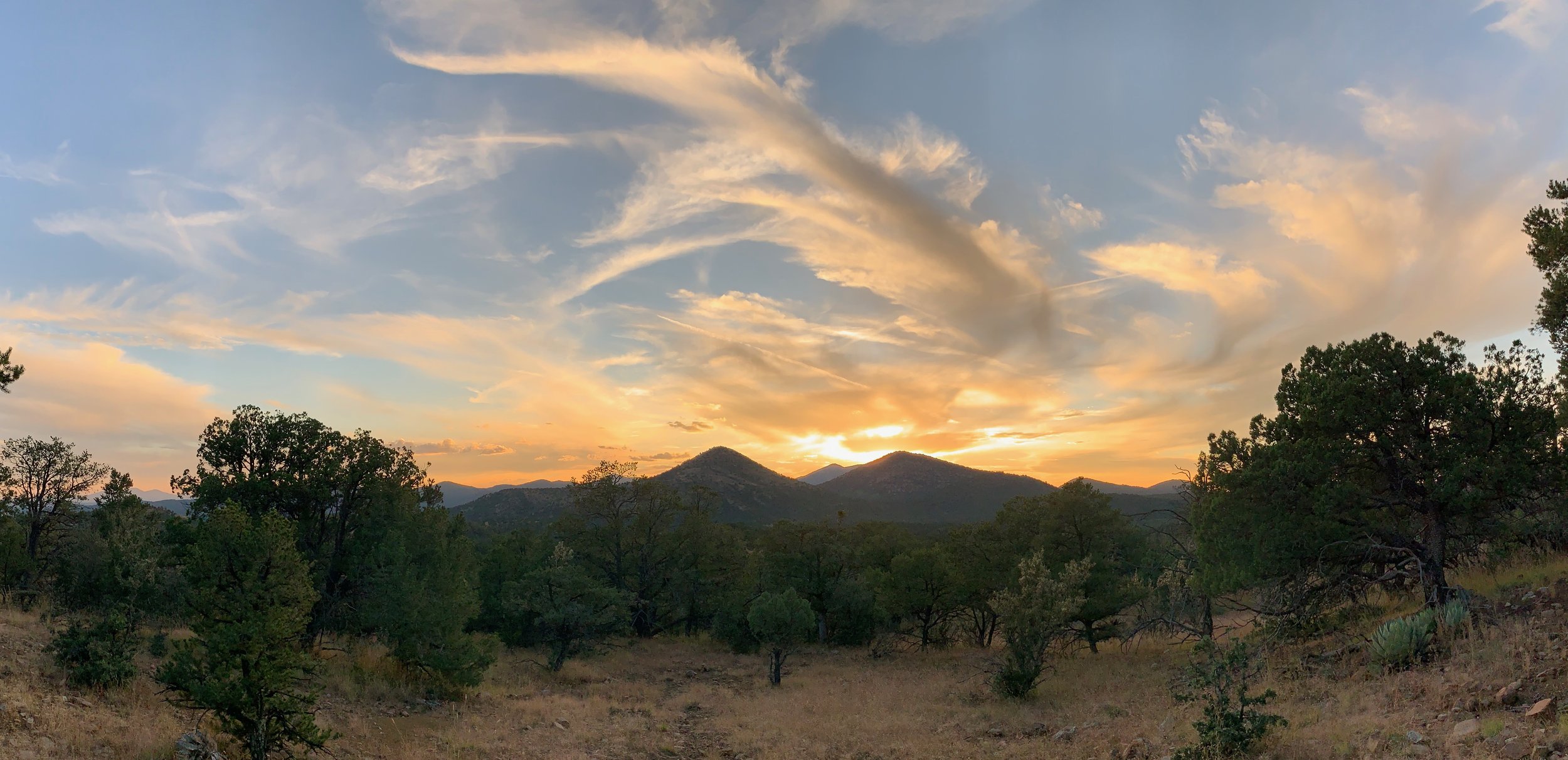
Our chapter envisions Southwestern New Mexico as a place where people and wildlife thrive. We present key areas of current conservation concern and challenge for the birds and wildlife specific to our region. We encourage Bird Alliance members to learn more about these issues and speak up on behalf of birds and wildlife.
Photo: Heidi Erstad
Conservation Priorities
Stock image
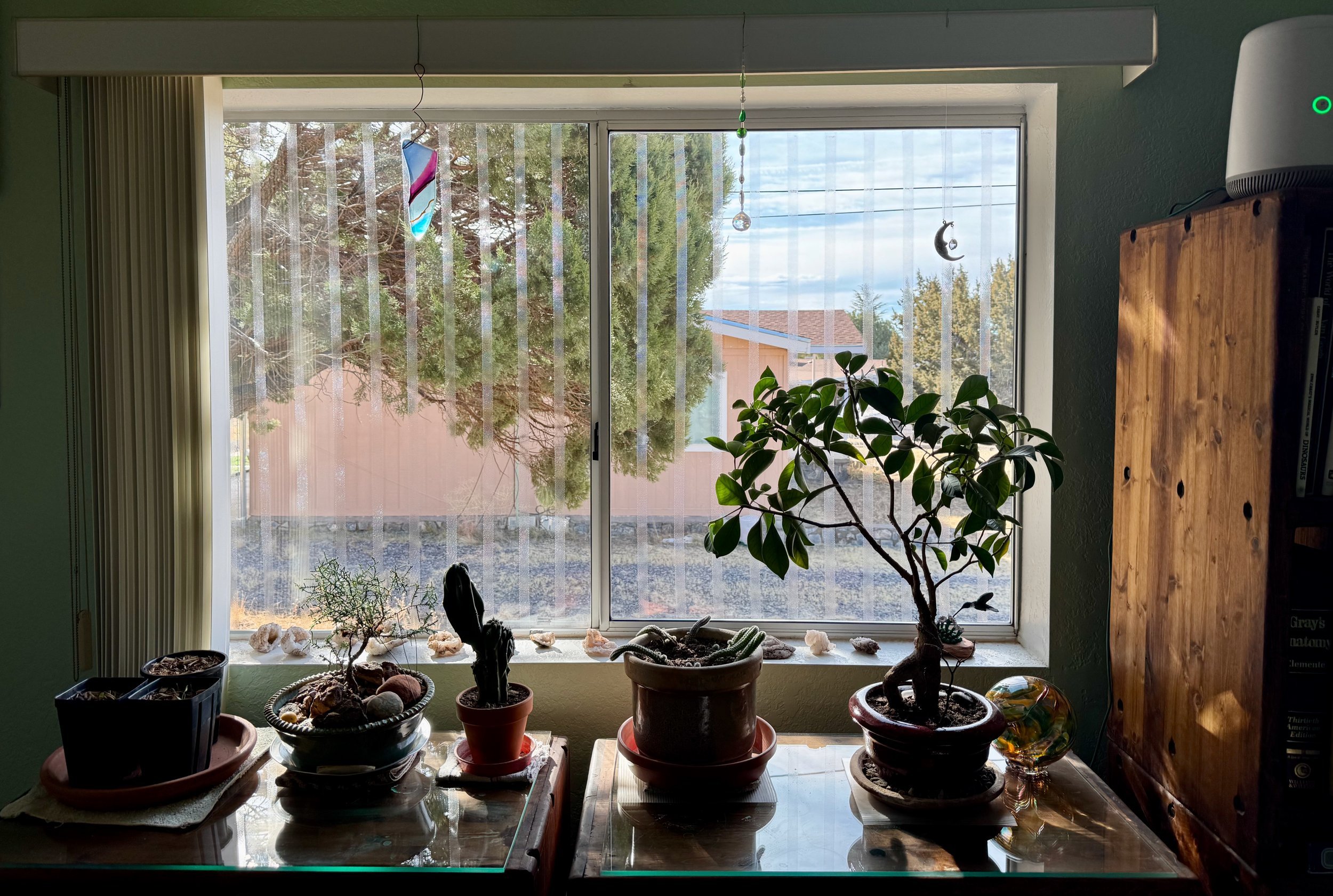
Photo: H Erstad
Preventing Window Collisions
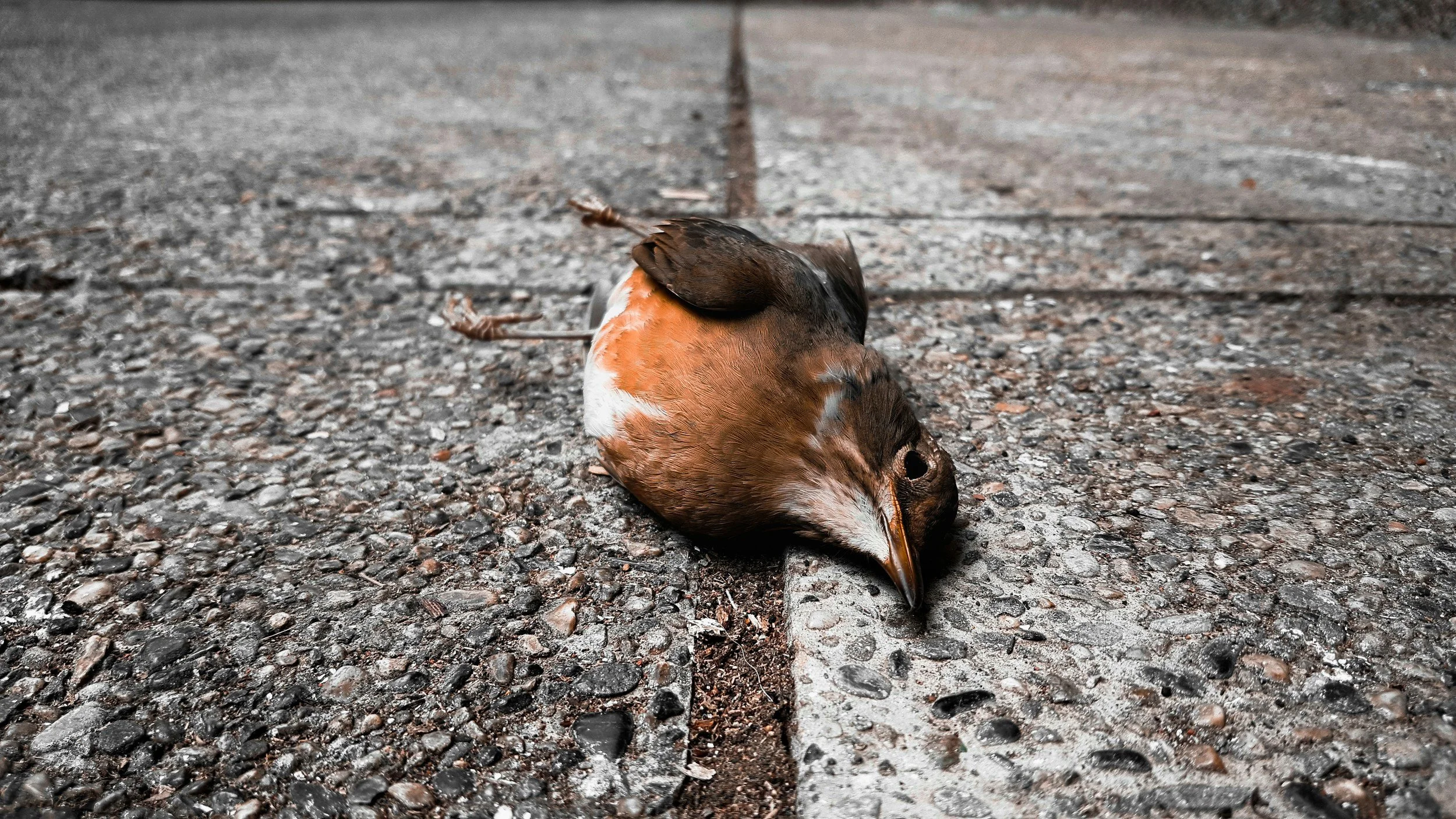
Window collisions account for over one billion bird deaths annually in the United States (2024 Wilson Journal of Ornithology). Bird-window collisions represent one of the most significant yet under-recognized human-related threats to bird populations in the United States. Birds do not perceive reflective or transparent windows as barriers, leading to frequent and often fatal strikes. Even when birds fly away after impact, studies indicate that nearly half die due to internal injuries and brain trauma.
Nationally, public attention to this issue has focused on losses due to bird collisions with high-rise buildings in cities; however, research has shown that the overwhelming majority—approximately 99%—of these collisions actually occur on one- to two-story structures. This is especially relevant in our region where low-rise buildings dominate the landscape and where more than 300 bird species live or migrate through annually (in 2026, nearly 40 million birds flew over and through Grant County during spring migration).
Fortunately, accessible and cost-effective solutions are available to “treat” windows to prevent bird strikes. Our chapter is working to educate the public about this issue and steps we can take to make our region safe for our feathered friends. Click here to find out more.

Photo: Heidi Erstad
Important Bird Areas
In the United States, Important Bird Areas (IBAs) are sites identified by the National Audubon Society, in partnership with BirdLife International. IBAs also form the core of the global network of Key Biodiversity Areas (KBAs), sites that are important for the global persistence of biodiversity.
Within our region, designated IBAs include Animas Mountains, Clanton Canyon, Emory Pass, the Gila Bird Area, Gila-Cliff Area, Gray Ranch Grasslands, Guadalupe Canyon, the Lower Gila Box, and the Mimbres River. Learn more about each of these areas here and here.
We regularly guide birding groups in these areas, introducing them to some, enhancing their value for others, and providing an opportunity to promote their further protection.

Military Overflights in the Gila and Chiricahuas
The Davis-Monthan Air Force Base near Tucson has proposed modifying its Military Operation Areas (MOA) in southern Arizona and southwestern New Mexico to allow longer periods of use, low-altitude training (including low-altitude supersonic flights), and allowing the use of chaff and flares. Three MOAs overlap the Gila Wilderness and Chiricahua National Monument. The Air Force accepted preliminary scoping comments from the public in June 2022, released a Draft Environmental Impact Statement (DEIS) in Summer 2024, and accepted DEIS public comments through November 9, 2024.
Updates
-
As expected, there has been no further word from the military regarding the proposed changes to overflight areas in the Gila and Chiricahua.
-
The Military Operation Area final decision on overflights in our region is still pending, and likely to be for some time, so we have no update on that situation at this time.
-
Led by member Dave Becker, BASWNM submitted our organization’s comments on the Draft Environmental Impact Statement regarding proposed changes. If enacted, these changes would dramatically increase military activity over our national forest and the Chiricahua National Monument, putting wildlife, and ourselves at risk from noise, sonic booms, and dropping of chaff and flares in these protected areas.
-
The timeline for the Draft Environmental Impact Statement has been pushed back from Spring 2024 to July/August 2024. We’re looking at ways we can help show why these changes will have tremendous negative impact on wildlife and our enjoyment of our wilderness areas. We’ll be in touch with those who showed interest last year but look forward to hearing from others interested in helping

Gila Wild and Scenic River Act
The Gila River is the last free-flowing river in New Mexico, supporting biodiversity for many fish and wildlife species. The M.H. Dutch Salmon Greater Gila Wild and Scenic River Act would designate approximately 446 miles of river segments as Wild, Scenic or Recreational, permanently protecting these rivers in their free-flowing conditions.
Updates
-
This legislation, aimed to protect parts of the Gila River as a nationally recognized Wild and Scenic River, has not yet advanced in congress.
The latest hope is that it will be included in a future public lands package, along with environmental bills from other states thus receiving broader support.
While the bill has strong support of the New Mexico delegation, including bill sponsors Rep. Gabe Vasquez and Sen. Martin Heinrich, members of congress still need to hear that we continue to support their efforts in passing this important legislation. Visit the NM Wild website (see sidebar) for background information, talking points and actions to help with this effort to protect wildlife, clean water, and natural habitats. - by Andy Payne
-
The M.H. Dutch Salmon Greater Gila Wild and Scenic River Act continues to slowly make its way in both House and Senate. Please help move this important act forward. The easiest ways to help are found on the New Mexico Wild Gila Action page (see sidebar)
-
This critical legislation for wildlife and the environment – – officially labeled the M.H. Dutch Salmon Greater Gila Wild and Scenic River Act – – was reintroduced on 3/14/23 in both the House and Senate.
In the Senate it is S.776 sponsored by Martin Heinrich and in the House H.R. 1611 sponsored by Gabe Vasquez. It has the strong support of the entire New Mexico delegation with Ben Ray Lujan, Melanie Stansbury, and Teresa Leger Fernandez all signing on as co-sponsors.
In the House, the proposal was assigned to the House Natural Resources Committee, then reassigned to the Natural Resources Sub Committee on Federal Lands chaired by Tom Tiffany R (WI).
In the Senate, the proposal is in the Senate Energy and Natural Resources Committee chaired by Joe Manchin D (WV)
The next step: Get it advanced out of committees and voted on by the House and Senate.
-
Senators Martin Heinrich and Ben Ray Luján introduced The M.H. Dutch Salmon Greater Gila Wild and Scenic River Act for passage.

Florida Mountains WSA.
Photo: Bob Wick, CC BY-NC-ND 2.0
Proposed Dolomite Mine in Florida Mountains
American Magnesium has proposed a 40-acre dolomite mine in a pristine canyon on the northwest side of the Florida Mountains [southeast of Deming], an area enjoyed by birders and a potential habitat for yellow-billed cuckoos and northern aplomado falcons. If constructed, the mine would operate for 30 years and involve 92 truck trips per day from the mine to a processing mill nearby.
Updates
-
In December 2023, the Friends of the Floridas, the Semilla Project, NM CAFÉ (Comunidades en Acción de Fe), New Mexico Wildlife Federation, Outdoor New Mexico, Friends of the Organ Mountains Desert Peaks, and Las Cruces Chamber of Commerce, supported by the Conservation Lands Foundation, The Wilderness Society, and Native Land Institute proposed the establishment of the Mimbres Peaks National Monument which would include: the Florida Mountains, Tres Hermanas Mountains, Good Sight Mountains, and Cookes Range.
At present, local support is limited, with significant pushback from the ranching community and small mine operators (mainly rock and gem sellers) who were not informed of the proposed project prior to its announcement. The Deming City Council has recently voted to oppose the project. As a regional organization with a history of working with local ranchers on conservation projects, we are looking at how we might best become involved in this issue to the benefit of all parties. – Dawn Smith
-
The federal lawsuit by Friends of the Floridas, Gila Resources Information Project, and other groups challenging the Bureau of Land Management’s (BLM) approval of a proposed dolomite mine in the Florida Mountains received a hearing before the presiding judge on July 12, 2023, but (as of October 20, 2023) no decision on the case has been issued. A decision is likely to be issued sometime in the next couple of months. The case involves the proposed American Magnesium mine on public land adjacent to the Florida Mountains Wilderness Study Area. In August 2023, the BLM issued a notice seeking comment on a small expansion to the project that would include a new staging area and an extension of the proposed access road. If the currently pending lawsuit is successful, the BLM will need to go back to the drawing board and fully and lawfully review both the original project proposal and the proposed expansion. Other documents related to the mining project can be found on the BLM’s official website (see sidebar) -Dave Becker
-
The suit against American Magnesium’s proposed 40-acre dolomite mine on the northwest side of the Florida Mountains (southeast of Deming) has moved into the briefing phase. Friends of the Floridas, Gila Resources Information Project, and three other organizations filed their opening brief on February 21st, arguing that approval of the mine violated several environmental laws. Click here to read this brief. The hearing on the groups’ claims will be held on June 7th in federal court in Albuquerque. No mining is occurring while the lawsuit is ongoing.